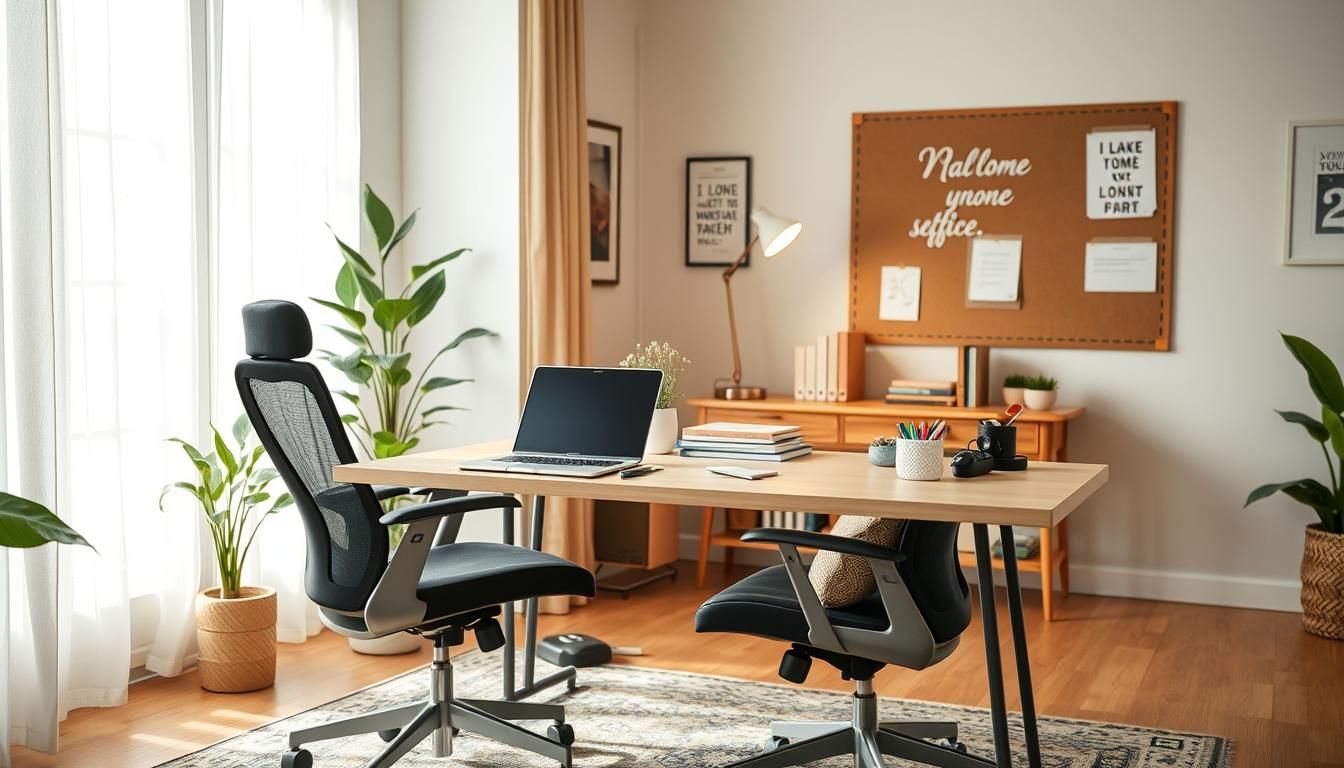

Did you know 91% of employees worldwide prefer fully or mostly remote work? That shift means a proper home office setup is no longer optional—it’s essential for productivity and balance.
This short home office guide walks you through practical home office setup steps so you can create a workspace that supports focused work, virtual meetings, and flexibility between home and serviced offices. Whether you’re converting a spare room or a corner nook, this step by step home office approach covers planning, ergonomics, equipment, and routines.
PnP Office Furniture and other ergonomic experts stress that a thoughtful setup home workspace improves comfort, reduces fatigue, and helps separate work from home life. Use these how to set up office pointers to save money, stay professional on video calls, and build a workspace that grows with your needs.
Key Takeaways
- Remote work is widespread—designing a dedicated workspace matters for productivity and well-being.
- Follow clear home office setup steps: assess needs, choose location, and plan layout.
- Ergonomics and reliable tech are core to a lasting setup home workspace.
- Start small: prioritize essentials and expand the workspace over time.
- This home office guide gives a practical roadmap for how to set up office at home without overspending.
Why a Dedicated Home Office Improves Productivity and Work-Life Balance
Creating a separate workspace changes how you work and live. A dedicated home office reduces interruptions from household activity, gives a clear place to focus, and supports routines that help you shift into and out of work mode. These changes produce measurable dedicated home office benefits for concentration and job satisfaction.
Benefits of a dedicated workspace for remote and hybrid workers
Remote and hybrid workers gain clarity when tasks happen in one purpose-built area. A backyard ADU or converted spare room keeps meetings and deep work away from family areas. That separation supports predictable hours and makes it easier to tell colleagues where you will be each day. For more on designing a functional ADU office that improves work-life balance, see this guide.
How a proper setup reduces distractions and preserves mental boundaries
A proper layout uses simple home office setup steps to limit noise and visual clutter. Positioning the desk, routing cables, and adding a small break corner cut friction during the day. When work stays in its own room, you build stronger mental boundaries that prevent tasks from bleeding into evenings and weekends. This helps sustain a healthy work-life balance home office rhythm.
Productivity and health advantages from ergonomic design
Ergonomics affects more than comfort. An adjustable chair, correct monitor height, and easy access to storage lower fatigue and reduce the risk of neck and back pain. A tidy, organized area speeds task switching and boosts focus. Follow a step by step home office approach: plan layout, set priorities, and add ergonomic tools to protect long-term health and productivity.
Assess Your Remote Work Needs and Job Requirements
Before you setup home workspace, take time to map daily tasks and job duties. A quick audit shows whether you need a quiet zone for deep focus, a light-controlled corner for video meetings, or an open area for collaboration. Note access to power outlets and natural light when you assess remote work needs.
Identify task types: focused work, collaboration, or mixed
List your typical day by activity. Put focused, uninterrupted work in one column. Put meetings and group calls in another. Add mixed tasks that switch often. This helps decide if you need soundproofing, a door, or just a quiet nook away from household traffic.
Technology and software needs: video calls, file sharing, project tools
Check which apps you use most. Popular choices include Microsoft Teams or Slack for messaging and Zoom or Google Meet for video. For project tracking, consider Asana, Trello, or Monday.com. For documents and storage, pick Google Workspace, Microsoft 365, Google Drive, Dropbox, or OneDrive. Match software needs to hardware: webcam, microphone, and reliable internet may be essential.
Workload and storage needs: digital versus physical filing
Estimate daily and weekly paperwork. If you work mostly digital, prioritize cloud sync and backup solutions. If physical files appear regularly, plan filing cabinets, shelves, and a scanner. Think about printer placement and nearby outlets when you figure where to set up office.
Use this checklist to guide a step by step home office build: note tasks, list core apps, record hardware needs, and measure storage requirements. Apply the results to how to set up office objectives and to pace your setup as you follow a step by step home office plan.
| Need Area | Questions to Ask | Suggested Tools or Solutions |
|---|---|---|
| Focus Work | Do you need uninterrupted blocks? Are calls infrequent? | Quiet room or nook, door or noise machine, comfortable chair |
| Collaboration | How many meetings per day? Need whiteboard or screen share? | Good webcam, microphone, Teams/Zoom, collaborative software like Miro |
| Mixed Tasks | Do you switch between solo and group work often? | Flexible layout, easy lighting control, portable headset |
| Digital Storage | How large are file sets? Need version control? | Google Drive, OneDrive, Dropbox, external backup drive |
| Physical Filing | Volume of paper? Need secure storage? | Lockable filing cabinet, scanner, shelving |
| Connectivity | Is Wi-Fi reliable? Are outlets nearby? | High-speed plan, mesh router, surge protector, extra outlets |
Picking where to work shapes how productive and comfortable you feel. Start with a quick needs check: do you require long, uninterrupted focus or frequent calls and collaboration? Match the space to those demands before you begin any home office setup steps.
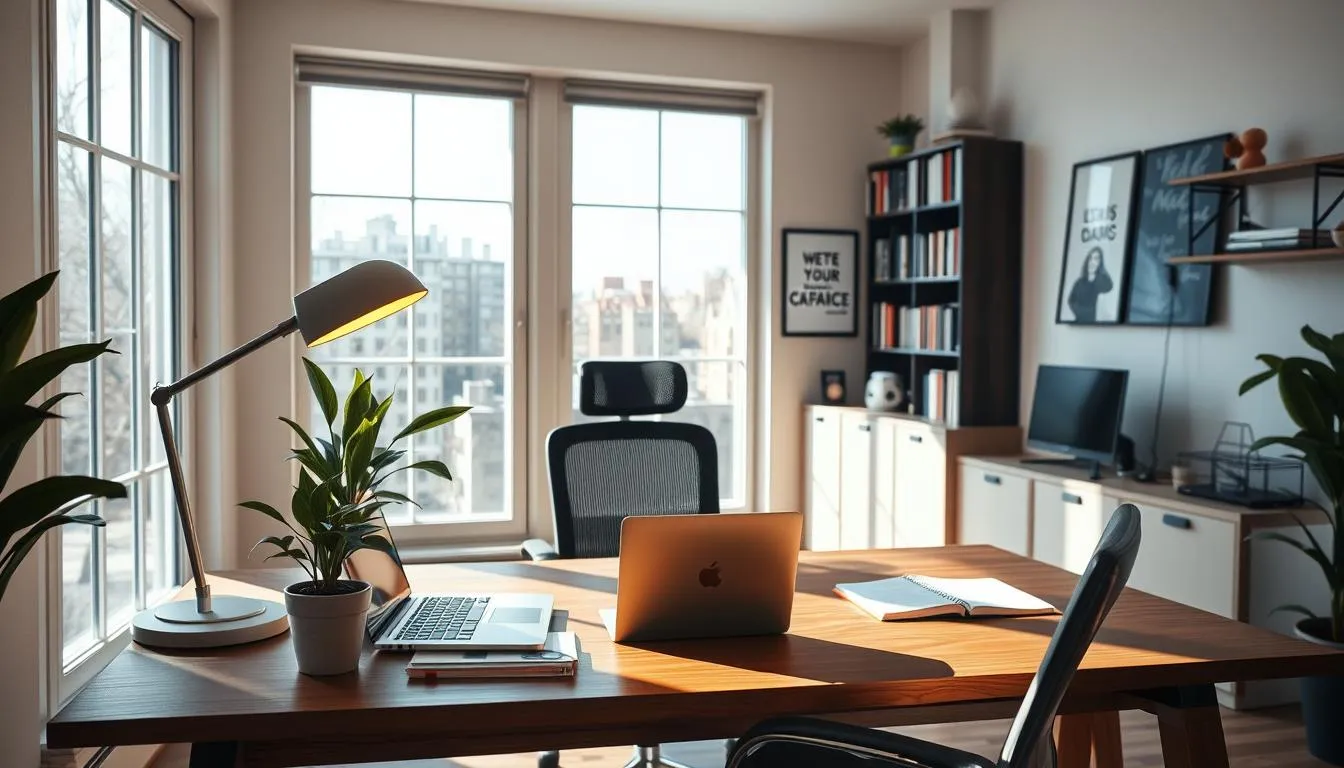
Quiet spots near bedrooms or a tucked-away spare room reduce distractions and protect confidentiality. High-visibility areas in the living room can keep you connected to family life but may invite interruptions. Compare pros and cons for your routine, then choose the right location home office that fits your priorities.
Quiet spots vs. high-visibility areas
Quiet corners are best for deep work and sensitive calls. Use a spare room or a hallway alcove when privacy matters. If you must share space, set physical boundaries with shelving or a room divider and use noise-canceling headphones for focus.
Window placement, power outlet access, and connectivity
Natural light lifts mood and alertness, yet glare can ruin video calls and strain eyes. Place your desk so windows sit to the side or behind your monitor. Check outlet access and router proximity to avoid tangled extensions and weak Wi-Fi. Run a quick router test and consider a mesh system if your chosen spot is farther from the modem.
Using small nooks, spare rooms, or shared spaces effectively
When no dedicated room exists, carve a nook in a bedroom or living area. Pick a corner that keeps work items contained and within reach of power and internet. Use compact desks, vertical storage, and clear visual cues to signal work hours to household members.
A practical next move is to follow step by step home office planning: map the space, list essentials, and apply simple setup home workspace steps to build a functional spot. For creative ideas on fitting an office into tight areas, review a short guide on how to incorporate an office in a small space at this resource.
step by step home office
Start with a clear plan that fits your job and room. A simple roadmap helps you see the full process: choose a location, plan the layout, pick ergonomic basics, sort lighting, set up tech, arrange storage, then personalize the area.
Overview of the process from planning to personalization
Begin by assessing work tasks and tech needs so you know how much space and equipment are essential. Map out where the desk, power outlets, and window will sit. Prioritize an adjustable chair and a sturdy desk before adding extras.
Next, focus on lighting and acoustics. Natural light near a window boosts mood. Add a warm task lamp for late work. Use shelves, pegboards, and vertical racks to save floor space.
How to set realistic priorities and build the workspace over time
Break the project into phases and fund the essentials first. Start with core items: chair, desk, monitor or laptop stand, keyboard, and a reliable router. Test the setup for a few weeks and note what needs upgrading.
For small rooms, pick multifunctional pieces like a wall-mounted desk or ottoman with storage. Add noise-canceling headphones for focus during calls and smart LED lamps for flexible lighting control.
Checklist for each setup stage to track progress and budget
Use this checklist to guide purchases and tasks while keeping costs in check. Tackle high-impact items first and stagger optional buys.
| Stage | Key Items | Action |
|---|---|---|
| Room selection | Quiet spot, window access | Measure space, check outlets and internet signal |
| Essentials | Desk, ergonomic chair, monitor or laptop stand | Buy adjustable ergonomic pieces and set up basic layout |
| Tech & connectivity | Router, webcam, microphone, reliable ISP plan | Test video calls, speed, and backups like a hotspot |
| Lighting & ergonomics | Task lamp, monitor arm, keyboard tray | Position monitor at eye level and add warm task lighting |
| Storage & cable management | Floating shelves, under-desk drawers, cable sleeves | Install vertical storage and hide cords for a tidy desk |
| Security & sync | VPN, cloud backup, surge protector | Enable two-factor authentication and regular backups |
| Personalize | Plants, artwork, soft textiles | Add small decor and test what improves focus |
Plan Your Layout to Maximize Space and Workflow
Start layout planning with the desk as your focal point. Place the desk to reduce glare on the screen and keep the monitor at eye level. Position power outlets and the router nearby so cords stay tidy and devices remain reliable during calls.
Think about traffic flow and storage zones next. Create clear paths so movement does not interrupt focused work. Use vertical solutions like wall-mounted shelves and tall filing cabinets to free floor space.
Choose compact, functional pieces to maximize space workflow. Corner desks, standing desks, and multifunctional furniture with built-in storage help small areas feel larger. Keep daily items within arm’s reach to speed tasks and reduce clutter.
Follow simple home office setup steps to layer functionality. Start with essentials: desk, chair, and lighting. Add storage, cable management, and task-specific accessories in stages so the setup home workspace grows with your needs.
Use zones to separate activities. Dedicate one area for focused work, another for meetings, and a third for supplies. Drawer dividers, labeled bins, and open shelving make it easy to maintain order and find things quickly.
When floor space is tight, favor vertical and corner solutions. Mount shelves above the desk, tuck a slim filing cabinet under the work surface, and pick a corner desk to open central space. These choices help you maximize space workflow without sacrificing comfort.
Prioritize Ergonomics for Long-Term Comfort
Setting up a healthy workspace starts with small, practical choices. Prioritize ergonomics early when you plan furniture and tech. This saves time and prevents strain as work hours add up. Think of this as a core step in how to set up office that protects your body and focus.
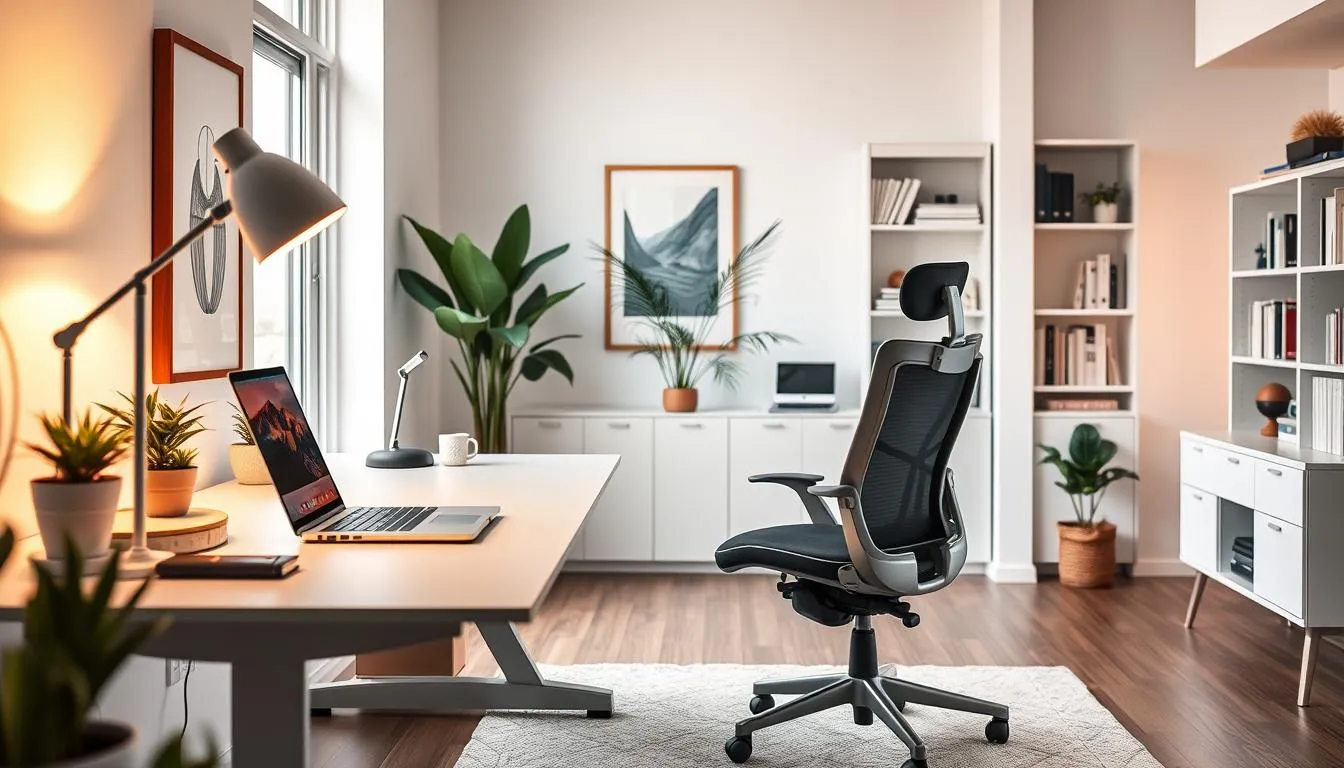
Choosing an adjustable chair with lumbar support
Pick an adjustable chair that supports the natural curve of your spine. Brands like Steelcase and Herman Miller offer models with reliable lumbar support. Test seat depth, arm height, and tilt so you can change positions through the day. A good chair is the backbone of any ergonomic home office.
Desk height, monitor position, and keyboard/mouse ergonomics
Match desk height to your elbow level so forearms are parallel to the floor. Position your monitor at eye level to keep your neck neutral. Use a separate keyboard and mouse when working on a laptop to maintain a proper wrist angle. These adjustments are essential when learning how to set up office ergonomically.
Ergonomic accessories: footrests, wrist pads, and laptop stands
Small accessories make a big difference. A footrest reduces pressure on the lower back for shorter users. Wrist pads cut strain during typing. Laptop stands raise screens to the right height when paired with external input devices. Include these items as part of a step by step home office plan.
| Item | Purpose | Quick Tip |
|---|---|---|
| Adjustable office chair | Supports lumbar region and allows posture shifts | Look for seat height, lumbar adjust, and tilt lock |
| Height-adjustable desk | Enables sit-stand alternation to reduce sitting time | Set reminders to change position every 30–60 minutes |
| Monitor riser or arm | Keeps screen at eye level to prevent neck strain | Top of screen should be at or slightly below eye height |
| Ergonomic keyboard and mouse | Maintain neutral wrist alignment while typing | Test shapes to find one that feels natural |
| Footrest | Supports legs and reduces lumbar pressure | Choose adjustable height and tilt |
| Wrist pad | Reduces contact pressure during long typing sessions | Keep wrist neutral, not resting on the edge |
| Laptop stand | Raises laptop screen for proper viewing angle | Pair with external keyboard and mouse |
Optimize Lighting for Focus and Video Calls
Good lighting makes your home office feel professional and keeps you alert during long workdays. Place your desk near a window to soak up natural light, but avoid positioning the monitor directly opposite bright sunlight to prevent glare. Natural light boosts mood and reduces eye strain, a key step when you optimize lighting home office for daily use.
Use a mix of ambient and task lighting to create balanced illumination. Pair a larger ambient lamp with a desk lamp for two-point lighting. Ring lights offer even face illumination for video calls without harsh shadows. Try different setups during test calls so you can fine-tune your video call lighting before important meetings.
Follow simple home office setup steps to evaluate brightness and color temperature. Start by assessing windows, overhead fixtures, and dark corners. Then test positions and dimmer settings during morning and late-afternoon calls to catch glare from sunrise or sunset. Curtains or shades help control sunlight when it gets too strong.
For direct guidance, use these step by step home office tips:
- Step 1: Check natural light, outlet locations, and overhead glare.
- Step 2: Run test calls to see how light hits your face and background.
- Step 3: Add a key light and a fill light, then tweak intensity and angle.
If your room lacks windows, select adjustable LED desk lamps with diffusers. Avoid bright task lighting that creates harsh reflections on screens. Position monitors to minimize reflections and consider anti-glare filters when needed to protect eye health and improve video quality.
Balance is the goal: soft ambient light, targeted task lighting, and a subtle backlight when needed. Use a dimmer to adapt lighting across tasks, from focused deep work to client video calls. For a practical primer on placement and product ideas, visit how to set up the best home office lighting for video.
Set Up Reliable Equipment and High-Speed Internet
Start with a compact checklist to get your home workspace running smoothly. Pick gear that lasts and a network plan that keeps video calls steady. This step focuses on practical choices you can make right away when learning how to set up office for daily remote work.
Essential hardware
Choose a high-resolution monitor for clear text and accurate color. Add an ergonomic keyboard and mouse to reduce strain during long sessions. For meetings, a dependable webcam and a noise-cancelling microphone improve presence on Zoom, Google Meet, or Microsoft Teams.
Connectivity choices
Select a broadband plan rated for video conferencing and large file transfers. Position your router centrally to reduce dead zones. Consider a mesh Wi‑Fi system like Eero or ASUS for larger homes to get consistent speeds across rooms.
Backup and protection
Keep a mobile hotspot on hand so work continues during outages. Use surge protectors to guard monitors and routers from spikes. Add an uninterruptible power supply (UPS) for your desktop and router so brief outages do not interrupt important calls.
Practical kit checklist
- Computer or laptop with enough RAM for multitasking
- External monitor and adjustable stand
- Ergonomic keyboard and mouse
- Webcam and dedicated microphone or headset
- External SSD or NAS for backups
- Printer/scanner if you handle physical documents
Small upgrades that matter
Swap cheap cables for certified USB-C or HDMI lines to avoid signal loss. Pick headphones from Bose or Sony for clear audio. Add a powered USB hub if ports are limited—this keeps peripherals organized and powered.
How to scale
When you ask how to set up office in stages, start with essentials then add extras. Follow a step by step home office plan: core gear first, networking next, then redundancy and comfort upgrades. This approach keeps costs controlled while building a reliable equipment home office that supports productivity.
Organize Cables and Accessories for a Clutter-Free Desk
Start with a quick sweep of the workspace. Remove unused cables, group similar cords, and set aside chargers you use daily. A simple, intentional approach keeps your setup home workspace tidy and makes later steps easier to follow.
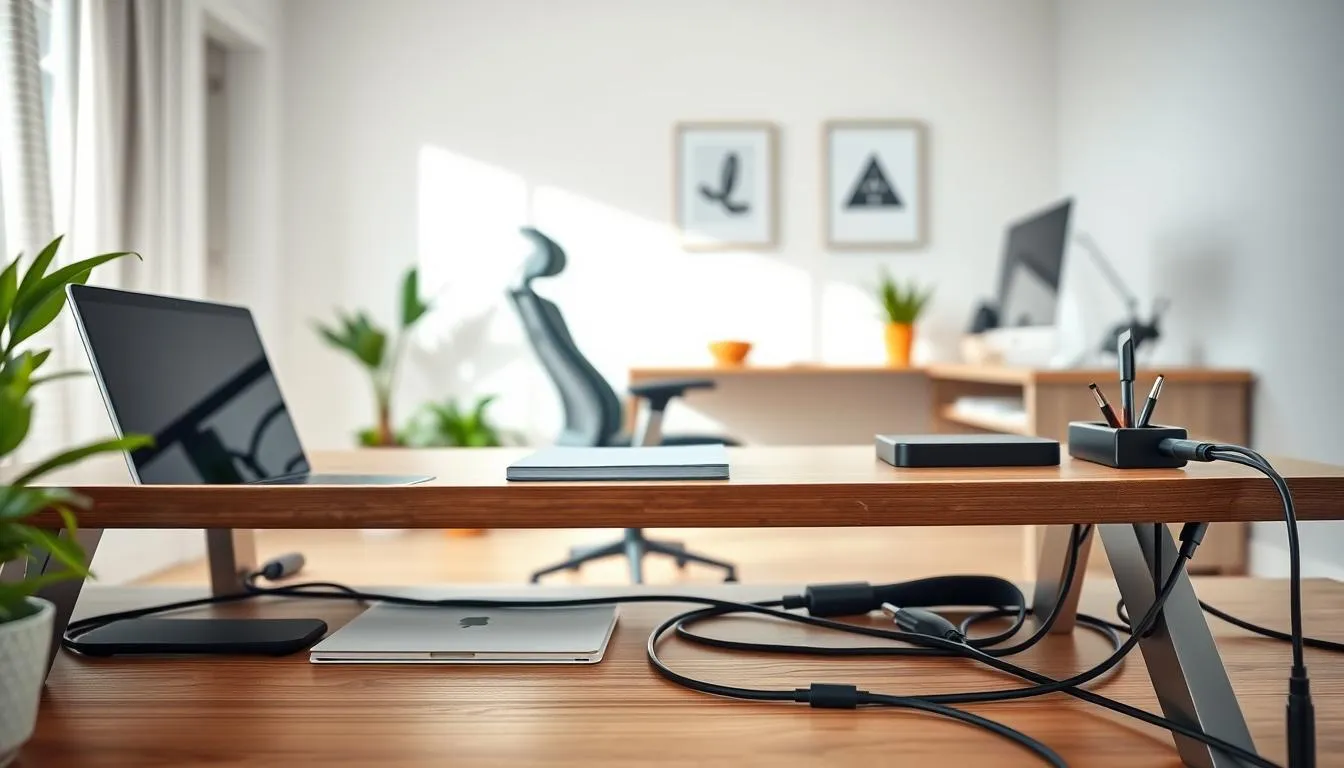
Use basic cable management home office tools first. Cable ties, Velcro straps, and adhesive clips secure wires under the desk. Mount a power strip to the underside of the desk to lift plugs off the floor and reduce tripping hazards.
Cable management solutions: ties, channels, and clips
Run power and data cables through a single channel to hide them from view. Clip cords along table legs and behind monitors to prevent tangles. Label both ends of each cable so you can unplug or swap devices without guesswork.
Desk organizers, drawer dividers, and filing trays for documents
Place a shallow tray for daily essentials like pens, notepads, and a phone charger. Use drawer dividers to separate stationery from tech accessories. Stackable filing trays keep current paperwork visible while archived documents stay out of sight.
Storage tips for small offices and multipurpose furniture ideas
Choose vertical shelving or a filing cabinet to free desktop space. Opt for a desk with built-in drawers or a hutch to store supplies and hide cables. Keep frequently used items within arm’s reach and move seasonal or rare items to higher shelves.
Follow a step by step home office routine to maintain order. Once a month, declutter drawers and review cables. A consistent habit preserves a clutter-free desk setup and extends the life of your equipment.
| Problem | Simple Fix | Suggested Product |
|---|---|---|
| Loose cables under desk | Install cable tray or raceway under desk | J Channel Cable Raceway |
| Tangled charger cords | Use Velcro ties and label both ends | Reusable Velcro Strap Pack |
| Desk clutter from papers | Adopt filing trays and label folders | Stackable Letter Tray Set |
| Limited floor space | Pick vertical shelves or a hutch | IKEA KALLAX Shelf Unit |
| No hidden power | Mount surge protector under desk | Belkin Surge Protector with Mounting Brackets |
Start by making the room feel like it belongs to you while keeping essentials practical and tidy. A well-balanced personalize home office supports creativity without crowding the desk. Small, considered touches improve mood and make a well-being workspace where you want to spend time.
Plants and art bring life and color. Choose low-maintenance plants like pothos or snake plant to add greenery without extra work. Pick one or two framed prints or a gallery ledge that reflects your taste but stays restrained for client-facing video calls.
Adding plants, artwork, and personal touches without cluttering
Inventory what you truly use, then add decor around those items. Limit tabletop objects to three meaningful pieces so the desktop stays clear. Use closed storage to hide printers and paperwork and display art on a single wall for a calm visual focus.
Balancing professional appearance for virtual meetings
Set up a dedicated backdrop that reads as polished on camera. Neutral tones, a textured wall, or a small bookshelf with curated objects create a professional impression. Test your background on Zoom or Microsoft Teams and adjust lighting to avoid glare and unflattering shadows.
Creating a pleasant ambiance with color, textures, and sound
Select a calming palette such as a powdery blue or soft green to support attention and reduce stress. Natural materials like wood and linen add warmth and help form a restorative well-being workspace. Soft background sounds, a small water feature, or a playlist for focus can enhance concentration.
For layout ideas and visual inspiration, consult a trusted design gallery for modern home office finishes that blend style with function. See curated examples at Architectural Digest home office slideshow to adapt ideas into your home office setup steps.
| Element | Purpose | Quick Tip |
|---|---|---|
| Plants | Boost mood and air quality | Choose hardy species like ZZ plant or pothos |
| Artwork | Provide visual interest and personality | Limit to one gallery wall or a single focal piece |
| Lighting | Improve video appearance and reduce eye strain | Use a mix of task and ambient lighting with dimmers |
| Storage | Keep surfaces clutter-free | Hide printers and files behind cabinet doors |
| Sound | Support focus and calm | Use soft background music or a small water element |
| Color & Textures | Set mood and aid cognition | Combine neutrals with linen, burl wood, or soft leather |
Design a Daily Routine and Boundaries for Work-Life Balance
Creating a clear daily routine home office helps you stay focused and protects personal time. Start with simple rules for when work begins and ends. Share those hours with family and your team so expectations match reality.
Small rituals make transitions between home and work smoother. A short walk, a five-minute stretch, or shutting your laptop on schedule signals the brain to switch modes. These cues support a healthy work-life balance remote work demands.
Set working hours and communicate availability to household and team
Pick consistent start and stop times that fit your role. Put them in Google Calendar and update Slack status when you are unavailable. Clear hours reduce interruptions and help colleagues plan meetings.
Transition rituals to start and end the workday
Design a morning routine to prime focus: hydrate, review priorities, and open your workspace gently. End with a closing ritual: review tasks, log progress, and power down devices. Rituals make the mental shift easier when you learn how to set up office at home.
Time-blocking and scheduling strategies for deep work and meetings
Use time-blocking to reserve chunks for deep work and for meetings. Schedule breaks and short ergonomic pauses to stand or stretch. Try policies like No Meeting Thursday or set meeting agendas ahead of time to keep sessions efficient.
The step by step home office approach pairs planning with habit. Start small and adapt routines based on what improves focus and wellbeing. Keep communication open with household members and teammates so boundaries stay respected.
| Routine Element | Purpose | Tool or Example |
|---|---|---|
| Fixed working hours | Clarify availability and protect personal time | Google Calendar, shared calendar blocks |
| Morning transition ritual | Signal start of focused work | Short walk, stretch, priority review |
| Time-blocked focus periods | Enable deep work without interruptions | Two 90-minute blocks, Do Not Disturb mode |
| Scheduled breaks | Maintain energy and reduce fatigue | Pomodoro timer, standing breaks every hour |
| End-of-day ritual | Close tasks and separate work from home | Progress log, shutdown routine, Slack status “offline” |
| Team rules | Streamline meetings and respect focus time | No Meeting Thursday, set agendas before calls |
Hybrid work coordination means choosing the best place for each task. Set simple rules so your week flows. Use home for deep focus and serviced offices for team meetings and client face time.
Task-based guidance
List tasks by type before you plan the week. Put uninterrupted, concentration-heavy work at home where your setup home workspace is optimized for minimal distractions. Reserve serviced office days for workshops, presentations, and collaborative sessions that need whiteboards or meeting rooms.
Keep essentials in both locations
Create a short checklist of must-haves to keep at each site. Pack chargers, a portable mouse, notepads, and a spare headset for the serviced office. Keep a second set of common items at home so you avoid daily packing and reduce friction when switching places.
Sync tools and cloud storage
Rely on Google Drive, OneDrive, or Dropbox to access files from either spot. Use Google Workspace or Microsoft 365 for documents and Slack or Asana for team flow. These synced tools support a smooth transition and keep projects current when you move between home vs serviced office.
- Plan the week by task type: deep focus, collaboration, or admin.
- Match days to locations based on required tools and people.
- Keep essentials duplicated to cut transition time.
- Use cloud storage and synced tools for instant access.
- Track productivity and tweak the plan for better balance.
Adopt a simple step by step home office checklist for each location. This approach makes hybrid schedules predictable. It helps teams respect boundaries and lets individuals protect quiet time for the work that needs it most.
Budget-Friendly Tips for Furnishing and Equipping Your Office
Creating a budget-friendly home office starts with a clear plan. List priorities, test what you need, and build the space over time. Follow simple home office setup steps to avoid impulse buys and wasted space.
Prioritize essentials first: begin with a sturdy desk, an adjustable chair, and a good light source. These three items support posture, focus, and video call quality. Buy from trusted brands when possible and try display models in stores like IKEA or Wayfair before committing.
Prioritize essentials first: desk, chair, lighting
Choose a desk that fits your workflow and a chair with lumbar support. Good lighting cuts eye strain and improves video presence. Follow home office setup steps by testing placements and angles before finalizing purchases.
Second-hand, upcycling, and DIY options to save money
Search local resale apps, Facebook Marketplace, and Habitat for Humanity ReStores for desks and chairs. Upcycle a small table into a standing surface or paint a used desk for a fresh look. Simple DIY hacks work well: create a laptop riser from books, use repurposed jars for pens, and attach clips to the desk edge for cable tidies.
Affordable tech upgrades and when to invest in quality
Start with refurbished monitors or certified pre-owned webcams to cut costs. Prioritize a quality chair and reliable internet before expensive monitors or peripherals. Use external drives and subscription software when they provide clear value.
| Item | Low-Cost Options | When to Invest |
|---|---|---|
| Desk | Second-hand tables, folding desks, DIY desktop on saw horses | When you need durable size, built-in storage, or standing options |
| Chair | Used ergonomic chairs from local listings, budget models from HON or Staples | Invest if you sit long hours; look for adjustable lumbar and tilt |
| Lighting | LED desk lamps, clamp lamps, natural light optimization | Invest in quality for regular video calls and photo-accurate color |
| Monitor & Webcam | Refurbished monitors, entry-level 1080p webcams | Upgrade for design work, video editing, or frequent streaming |
| Accessories | Repurposed jars, cable clips, inexpensive monitor stands | Buy premium keyboard or mic when productivity gains are clear |
| Connectivity | Standard home internet plan, Wi-Fi position improvements | Upgrade to business-class internet or mesh systems for heavy uploads |
Use multifunctional pieces and test changes over weeks. That step by step home office method reduces regret and stretches every dollar in your affordable office setup.
Security, Privacy, and Data Protection in a Home Office
Keeping work data safe at home starts with clear policies and simple habits that everyone can follow. Employers remain responsible for data privacy, so a written agreement that covers remote work is essential. This protects sensitive categories like health records, biometric information, and religious or ethnic data when staff handle them outside the office.
Use strong passwords, two-factor authentication, and a corporate VPN for any access to company systems. Encrypt hard drives and enable automatic screen locks after short idle periods. Prefer wired LAN or a secured home router over public Wi-Fi to reduce interception risks.
Use strong passwords, two-factor authentication, and VPNs
Create password managers and enforce unique credentials for work accounts. Two-factor authentication adds a second layer that blocks most unauthorized access. When employees connect from home, a reputable VPN keeps traffic private and helps meet data protection home office standards.
Regular backups, antivirus updates, and secure cloud storage
Set automatic backups to cloud services such as Google Drive, OneDrive, or Dropbox and keep a local backup on encrypted drives. Keep antivirus and system updates current. Backups and surge protectors help guard equipment and data from hardware failure and power events.
Physical privacy: lockable storage and positioning for confidential work
Provide work-only devices when possible and instruct staff to lock sensitive printouts in cabinets. A clean desk policy reduces risk of accidental exposure. Position the desk and background so confidential screens and calls stay out of sight from household members or visitors.
Minimize personal data handling and avoid unnecessary printouts. Shred documents that are no longer needed and store active files in locked containers. Employers should define reasonable control measures in the home office agreement without intruding on the home itself. For practical guidance, consult this concise checklist on data privacy while working from home at data privacy best practices.
Train staff on how to set up office devices securely and follow a step by step home office routine for daily start-up and shutdown. Small habits—locking screens, using two-factor authentication, backing up files—build strong defenses. Clear rules help teams maintain home office security and align with company obligations for data protection home office.
Conclusion
Building a proper home office boosts productivity, health, and work-life balance when you follow a clear plan. This step by step home office conclusion highlights core actions: assess your needs, pick the right location, plan layout, prioritize ergonomics, and optimize lighting and equipment. Start with essentials and add comforts and tech over time to create a functional, comfortable workspace that supports focused work and video calls.
Use the home office setup steps recap to keep progress simple: choose a desk and chair, secure reliable internet, organize cables, and protect data with strong passwords and a VPN. Personal touches and plants lift mood without clutter, while cloud tools and synced storage make hybrid transitions smooth. Keep a routine that sets clear boundaries and signals the start and end of the workday.
Finally, treat this project as ongoing. The setup home workspace summary should include periodic reviews, feedback from colleagues, and selective upgrades to tools and lighting. Learning how to set up office well means balancing comfort, efficiency, and security so your space supports long-term productivity and well-being.
FAQ
What are the first steps to setting up a home office?
Start by assessing your needs: identify the types of work you do (focused, collaborative, or mixed), required technology (video calls, cloud storage, project tools), and storage needs. Choose a location with good light, power access, and quiet. Sketch a simple layout that places the desk near outlets and the router. Prioritize essentials — a supportive chair, a stable desk, reliable internet, and basic peripherals — then add monitors, cameras, and storage as you confirm what you really use.
How does a dedicated home office improve productivity and work-life balance?
A dedicated workspace creates mental and physical boundaries between work and home life, reducing distractions and making it easier to focus. Ergonomic design reduces pain and fatigue, while an organized layout minimizes time wasted looking for tools or documents. Clear routines and visible signals of availability also help colleagues and household members know when you’re working, improving focus and job satisfaction.
How do I choose the right room or spot in my home?
Pick a quiet location that matches your need for concentration or confidentiality. If you have frequent meetings, choose a well-lit, sound-insulated area. If space is limited, carve out a nook in a bedroom or living room away from the household hub. Check window placement to get natural light without glare, ensure nearby power outlets, and verify solid Wi‑Fi or router placement for reliable connectivity.
What should I include in a step-by-step setup plan?
Follow these core steps: assess needs; select a location; plan layout (desk, power, router); prioritize ergonomics (chair, monitor height); optimize lighting; install essential equipment (computer, webcam, mic); organize cables and storage; personalize tastefully; and implement security measures. Use a checklist for each stage and build the setup over time, starting with essentials to manage budget and test what works.
How should I place my desk to reduce glare and improve workflow?
Position your desk to take advantage of natural light without putting the monitor directly opposite a window to avoid glare. Place the monitor at eye level and perpendicular to windows when possible. Plan for easy access to power outlets and keep traffic flow clear. Use vertical storage or shelving to create dedicated zones for equipment, documents, and supplies.
What ergonomic features matter most for long-term comfort?
Invest in an adjustable chair with lumbar support and set desk height so your forearms are parallel to the floor. Keep the monitor at eye level about an arm’s length away, and use an ergonomic keyboard and mouse to reduce wrist strain. Add accessories like footrests, wrist pads, and laptop stands. Alternate between sitting and standing and schedule regular stretch breaks.
How can I optimize lighting for focus and video calls?
Combine natural light with ambient and task lighting. Position your desk near a window for daylight but use blinds to control glare. Add a quality desk lamp for focused work and consider dimmable overhead lights so you can adjust for mood and meetings. For video calls, use soft, front-facing light or a ring light to improve image quality and avoid harsh shadows.
What equipment and internet setup are essential?
Essentials include a reliable computer, high-resolution monitor, ergonomic keyboard and mouse, webcam, and good microphone or headset. Fast, stable internet is critical — choose a plan that supports video calls and large file transfers. Place the router centrally or use a mesh system for coverage. Keep a mobile hotspot as a backup and protect gear with surge protectors or an uninterruptible power supply (UPS).
How do I manage cables and desk clutter effectively?
Use cable ties, channels, and clips to route wires neatly and reduce trip hazards. Add drawer dividers, desk organizers, and filing trays to keep stationery and documents organized. For small spaces, use multipurpose furniture with built-in storage and vertical shelving to free desk surface area. Label storage so you can find items quickly.
How can I personalize my office without creating distractions?
Add a few plants, a piece of artwork, or a framed photo to make the space welcoming. Choose colors and textures that support focus. Keep personalization minimal so backgrounds look professional on video calls. Use tasteful decor and maintain clear surfaces to preserve an organized, client-ready appearance.
What routines help maintain work-life balance at home?
Set clear working hours and share them with household members and your team via calendar and status tools. Create transition rituals to start and end the workday, such as a short walk or a tidy desk routine. Use time-blocking for deep work and schedule breaks. Communicate availability in Slack or Teams and use focused blocks to reduce meetings overload.
How do I decide which tasks to do at home versus a serviced office?
Reserve home for focused, confidential, or heads-down work. Use serviced or team offices for collaboration, client meetings, and sessions that need specialized amenities. Keep essential items (chargers, basic stationery) in both locations and rely on cloud storage and synced tools so you can switch smoothly between places.
What are the best budget-friendly ways to furnish and equip a home office?
Prioritize a quality chair and reliable internet first. Buy second-hand desks or chairs, upcycle furniture, or use multifunctional pieces. DIY solutions like a stack of books for a temporary laptop stand or repurposed jars for stationery can save money. Add upgrades gradually and consider refurbished monitors or headsets when appropriate.
How can I secure data and maintain privacy in a home office?
Use strong passwords, two-factor authentication, and a VPN when accessing company resources. Keep antivirus software and operating systems updated and maintain regular backups to secure cloud storage or external drives. Protect physical documents with lockable storage and position your desk to avoid showing confidential information on video calls.