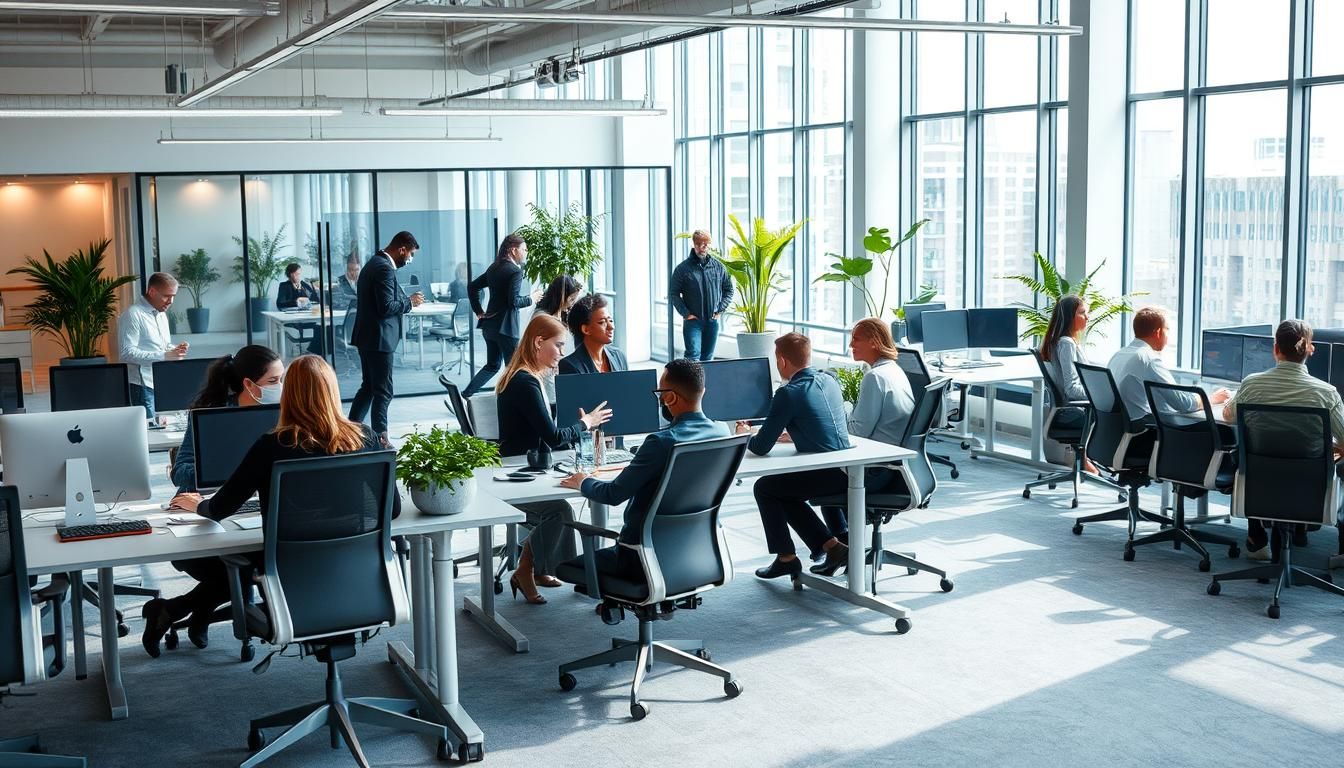

Surprising as it sounds, roughly 70% of U.S. office workers spend their day in open-plan spaces—yet 37% of those employees report falling productivity because of noise and interruptions. That contrast shows why the importance workspace layout can’t be an afterthought.
Where desks sit and how rooms connect shape how teams communicate, focus, and solve problems. Thoughtful workspace design principles—like access to natural light, ergonomic furniture, and clear circulation—reduce distractions and make it easier for people to do their best work.
A good layout improves workplace productivity, boosts morale, and trims operational costs by using space more efficiently. Choices about quiet zones, collaborative areas, and flexible furniture determine whether a space supports heads-down work or creative teamwork.
For practical examples and layout types to consider, see this guide on office layouts from Deskbird that outlines options and trade-offs for modern teams: types of office layouts.
Key Takeaways
- Office layout impact is immediate: it affects focus, collaboration, and company culture.
- Importance workspace layout includes lighting, ergonomics, acoustics, and flow.
- Workspace design principles should balance quiet zones with collaboration areas.
- Flexible, modular solutions future-proof space as teams shift to hybrid models.
- Data and employee feedback help align layout choices with real work patterns.
importance workspace layout
Choosing the right layout shapes how people work, meet, and move. Employers use layout to match space with company goals and to lift employee satisfaction. Remote workers need similar thought at home so that quiet zones and clear boundaries let them focus and join meetings without distraction.
What this phrase means for employers and remote workers
For employers, the phrase points to deliberate planning that supports workflows, teamwork, and privacy. A well-planned floor plan reduces bottlenecks and makes collaboration easier.
For remote workers, it asks for home office layout tips that create dedicated work zones, camera-friendly backgrounds, and reliable lighting. Small changes at home can mirror many benefits of a thoughtfully arranged office.
How layout decisions influence productivity, morale, and operational efficiency
Layout choices affect focus and interaction. Open areas encourage quick exchanges and creativity. Enclosed rooms protect deep work and confidential calls. Each compromise changes distraction levels and team morale.
Operational efficiency improves when paths, shared amenities, and storage are placed to match daily routines. Good placement cuts wasted steps, speeds handoffs, and supports growth without major renovations.
Quick overview of layout types that shape outcomes
Traditional private offices give quiet and privacy while using more square footage. Open plan layouts boost visibility and team contact but can increase noise and interruptions.
Hybrid models mix zones for collaboration and quiet, offering flexibility. Cubicles and co-working setups balance individual focus with shared resources. Team-based configurations cluster groups to speed communication and align tools with tasks.
Across all types, following workspace design principles keeps choices functional and humane. These principles guide placement, light, and furniture so spaces support work rather than hinder it.
How office layout impacts employee productivity and well-being
Thoughtful planning shapes daily work. The office layout impact shows up in fewer interruptions, clearer circulation, and faster task flow. Designers who use workspace design principles aim to match space to tasks. This improves both output and comfort.
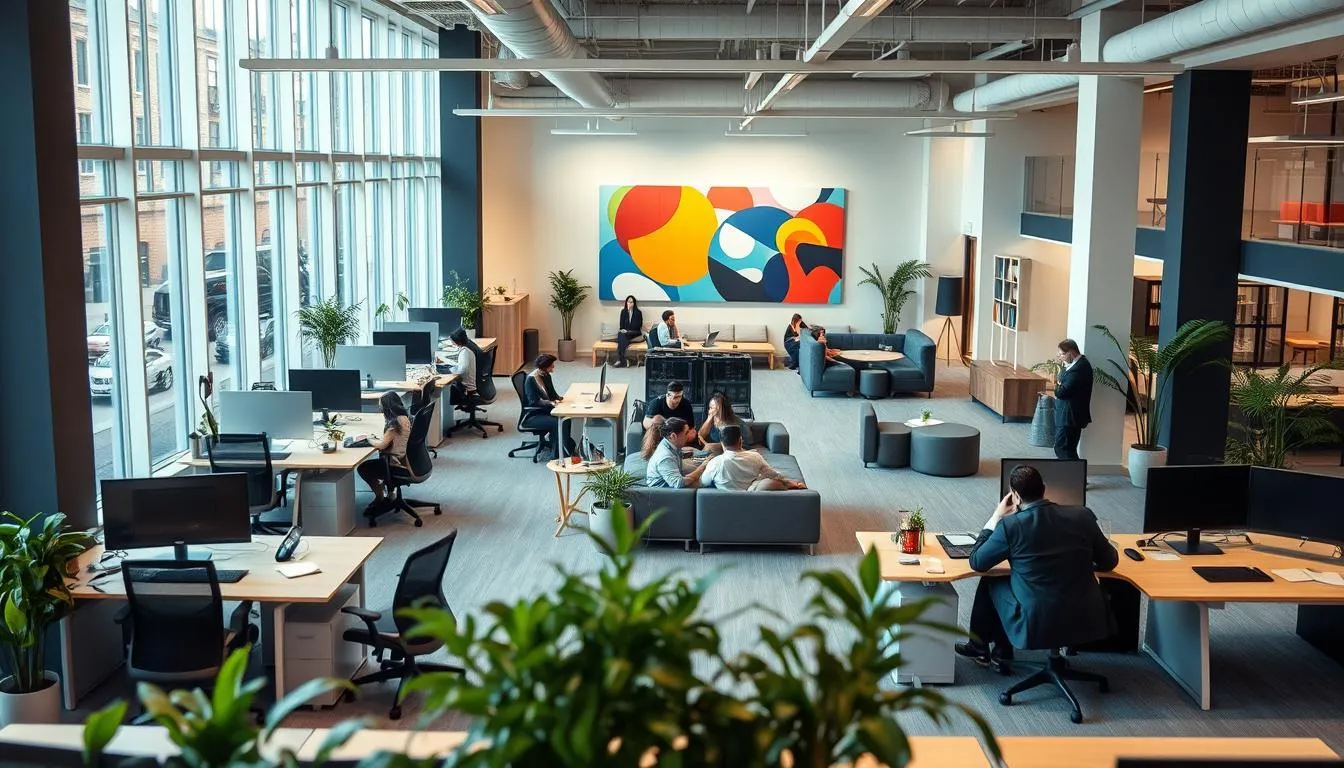
Research-backed links between space design and focus
Studies tie layout to concentration and creativity. When teams get both collaborative areas and quiet rooms, focus improves. The importance workspace layout becomes clear in measures such as task completion time and self-reported fatigue.
Examples of reduced distractions and improved workflow from thoughtful plans
Placing meeting rooms near team zones cuts cross-office traffic and stops hallway interruptions. Activity-based areas let employees choose quiet or social settings by task. These shifts lower task switching and reduce wasted movement.
Role of natural light, ergonomics, and noise control in well-being
Access to daylight raises mood and alertness. Ergonomic seating and adjustable desks reduce strain and absenteeism. Acoustic panels, phone booths, and clear etiquette policies cut noise-related breaks in concentration.
| Design Element | Practical Change | Direct Benefit |
|---|---|---|
| Activity-based zones | Create quiet rooms, collaboration hubs, and social lounges | Match task to space; fewer interruptions; higher productivity |
| Natural light | Maximize windows, use glass partitions, place desks near daylight | Improved mood; increased alertness; lower error rates |
| Ergonomics | Provide adjustable chairs, sit-stand desks, and monitor arms | Reduced fatigue; lower musculoskeletal complaints; sustained focus |
| Noise control | Install acoustic panels, use soft flooring, add phone booths | Fewer distractions; clearer speech; longer deep-work periods |
| Resource placement | Locate printers, supplies, and meeting rooms near teams | Reduced walking time; fewer workflow bottlenecks; smoother operations |
The right floor plan shapes how people work, meet, and focus. Choosing among common office layout types means weighing privacy, teamwork, cost, and culture. Below is a concise guide to features and trade-offs so leaders and designers can match space to tasks and teams.
Traditional and private offices suit firms that need confidentiality and deep focus. Law offices and many financial services teams prefer private rooms and departmental suites. These layouts boost concentration and support hierarchical workflows. Drawbacks include limited spontaneous collaboration and the risk of underused square footage.
Open plan environments promote visibility, informal exchanges, and efficient use of floor area. Startups and creative agencies gain faster decision loops and easier team alignment. Noise and reduced privacy present real challenges. Thoughtful acoustic treatments and ergonomic furniture make open plans far more productive.
Hybrid arrangements blend open areas, private rooms, and flexible workstations. Organizations that host varied tasks benefit from this mix because it supports heads-down work and group sessions. Planning matters: clear zoning and booking systems reduce friction and maximize utility.
Cubicle-based setups provide semi-private stations for focused, repetitive duties. Call centers and data-entry teams often use cubicles to balance interaction and concentration. They can block daylight and feel isolating without modern design cues and mobile elements.
Co-working spaces cater to freelancers and early-stage startups with flexible seating and built-in networking. These spaces offer cost-effective access to community and amenities. Privacy is limited, so contractors and small teams must weigh exposure against collaboration gains.
Team-based zones cluster departments or project groups to speed coordination on shared goals. Agile product teams and marketing squads thrive when desks, storage, and meeting spots sit close together. Team zones can consume more floor space but often accelerate delivery and alignment.
Selecting among these options ties back to the importance workspace layout has on outcomes. Match layout choice to workflow, team size, and task mix. For remote staff, pairing office design with home office layout tips ensures continuity across locations.
Workspace design principles for modern offices
Good office layout planning starts with a clear idea of how people move, meet, and focus. A well-planned space gives teams choice: places to collaborate and areas to concentrate. These workspace design principles aim to reduce interruptions while keeping teamwork easy and natural.
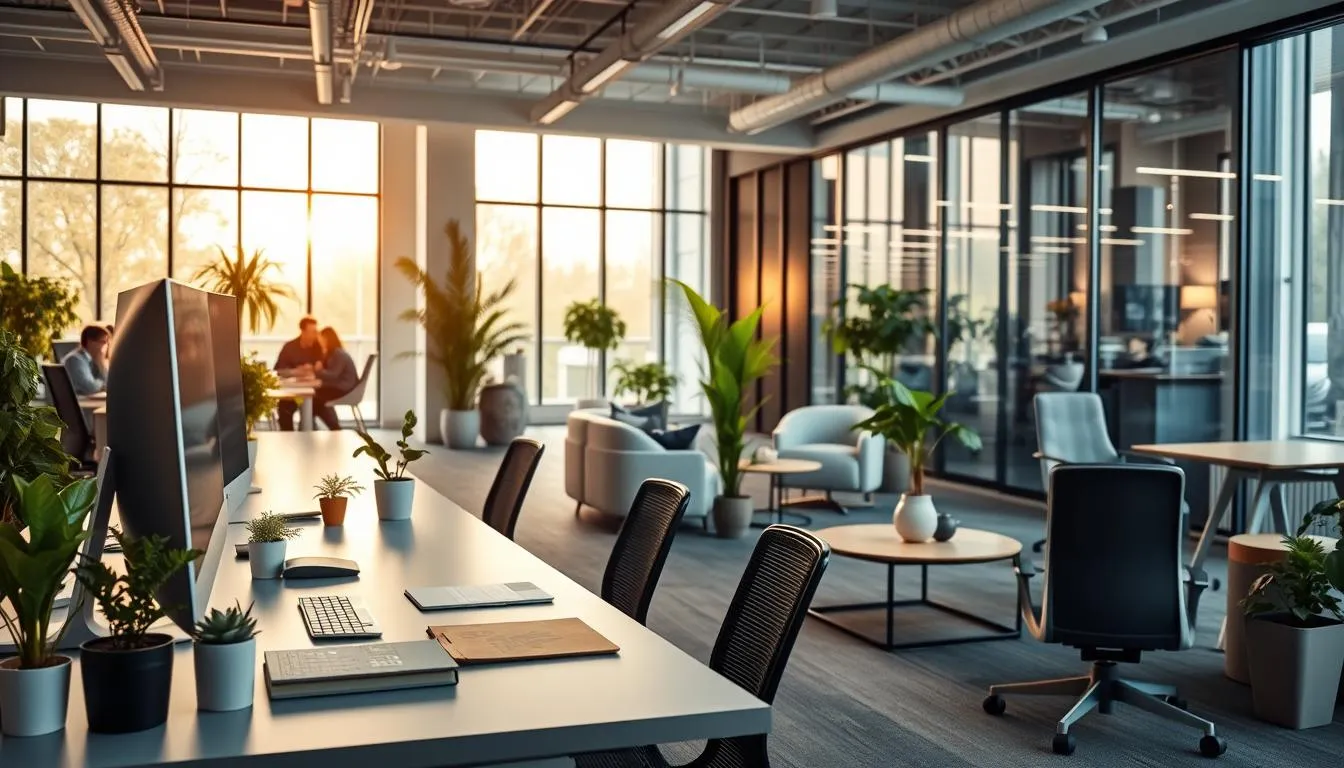
Balance between collaboration zones and quiet zones
Designate visible collaboration hubs near team clusters so quick stand-ups feel effortless. Place quiet zones away from those hubs to protect deep work. Use sound-absorbing panels, rugs, and plants to reinforce separation without isolating teams.
Flow, sightlines, and placement of shared amenities
Map main pathways to prevent bottlenecks near printers, kitchens, and meeting rooms. Put high-traffic amenities on natural circulation routes to keep work areas calm. Keep sightlines open enough for light and supervision while adding screens or low partitions where privacy matters.
Flexibility and modular design to future-proof spaces
Choose modular furniture and movable partitions so teams can resize or reconfigure quickly. Create multipurpose bays that shift from focus zones to small-group spaces using writable walls and plug-and-play tech. These tactics make change inexpensive and fast as hybrid models evolve.
Below is a compact comparison to guide layout choices and expected benefits during office layout planning.
| Design Element | Primary Benefit | Practical Tip |
|---|---|---|
| Collaboration hubs | Faster informal communication | Place near teams that need frequent interaction; provide whiteboards and flexible seating |
| Quiet pods | Improved focus and deep work | Locate away from main circulation; use acoustic doors and soft surfaces |
| Shared amenities | Reduced congestion, better access | Distribute printers and kitchens along main paths to balance traffic |
| Modular furniture | Fast reconfiguration, cost savings | Select lightweight, stackable pieces with standard connectors |
| Writable walls & tech integration | Enhanced creativity and meeting efficiency | Install surface power and wall mounts for easy setup |
Good furniture choices make work easier and healthier. Thoughtful selection reduces strain, keeps people moving, and fits into broader workspace design principles. Small changes to chairs, desks, and layout improve comfort and focus.
Adjustable desks and supportive chairs to reduce fatigue
Height-adjustable desks let employees alternate between sitting and standing. This movement cuts fatigue and lowers the risk of musculoskeletal pain. Pair sit-stand desks with ergonomic chairs that offer lumbar support, adjustable armrests, and seat depth to help sustain long periods of focused work.
Versatile furniture for reconfiguration and hot desking
Mobile tables, lightweight workbenches, and wheeled storage create flexible zones. Teams can reconfigure spaces for meetings, solo work, or hot desking without major effort. Versatility supports effective workspace organization and helps spaces adapt as teams grow or shift priorities.
How furniture color and materials affect mood and focus
Color choices shape mood. Blues and greens generally promote calm and concentration, while warm tones invite collaboration. Materials matter too. Wood surfaces add warmth and a sense of quality, glass and metal increase perceived openness. Choose durable, eco-friendly options such as reclaimed wood or recycled metal to reinforce company values and long-term sustainability.
- Provide monitor stands, keyboard trays, and footrests to optimize posture.
- Create clear sightlines to natural light when placing desks and screens.
- Designate flexible zones with modular furniture for quick reconfiguration.
Applying these elements ties ergonomics furniture productivity to workspace design principles and effective workspace organization. The result is a healthier, more adaptable workplace that supports sustained focus and collaboration.
Home office layout tips for remote workers
Creating a compact, calm workspace boosts focus and comfort. Remote workers benefit from small changes that shape daily habits and reduce friction. Use clear zones, smart lighting, and tidy storage to make work feel separate from home life.
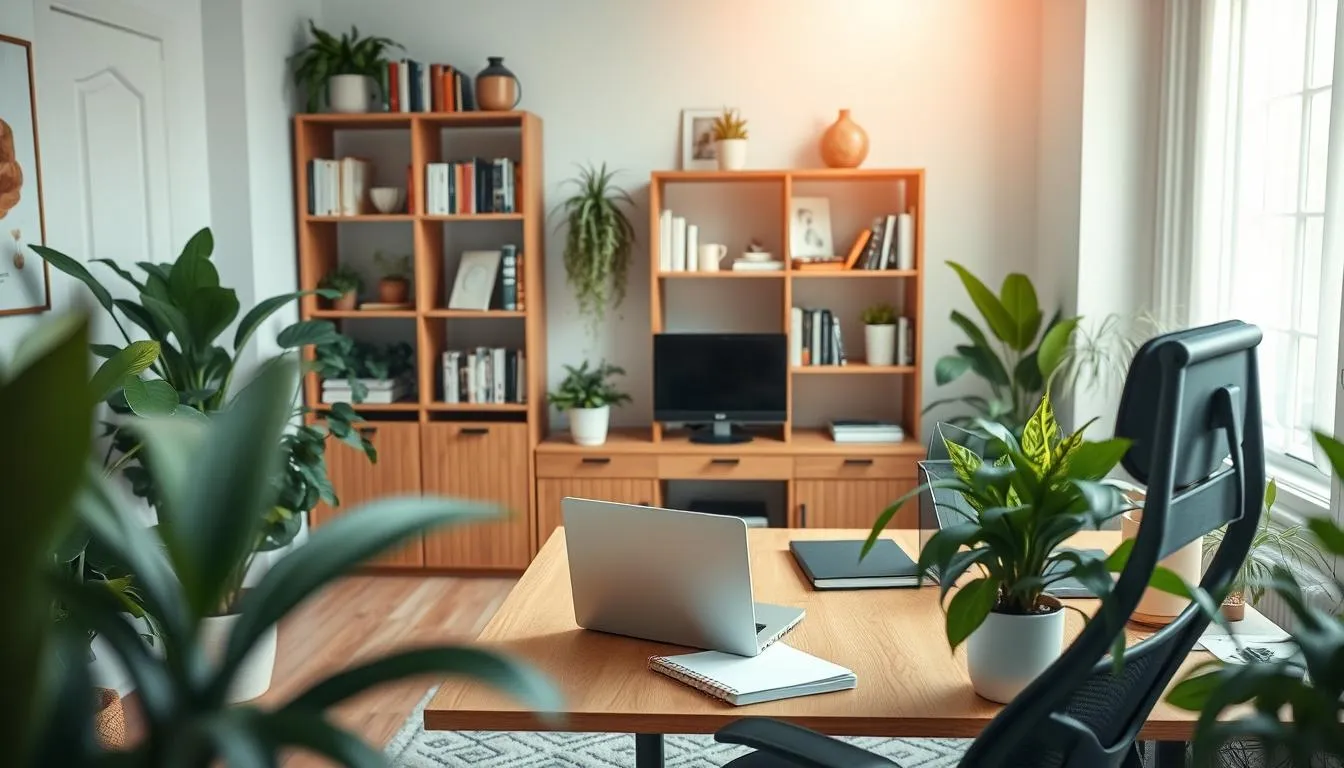
Designing focused zones in small spaces
Mark a work area with a rug, shelving unit, or a slim room divider to set visual boundaries. Place an ergonomic chair and a desk at the right height to avoid strain. Vertical shelving and narrow bookcases save floor space while defining your work zone.
Lighting, background, and camera-friendly arrangements for video calls
Position the desk near a window to maximize natural light and pair it with a task lamp for evening work. Aim the camera at eye level and choose a neutral, uncluttered background to appear professional on calls. Soft, even lighting from both sides reduces shadows on video.
Storage, cable management, and maintaining work-life boundaries
Use under-desk organizers, labeled bins, and wall hooks to keep essentials within reach. Bundle cables with clips or a cable tray to cut visual clutter and cognitive load. Close the laptop, shut the door, or move a divider at the end of your shift to reinforce routines and protect personal time.
These home office layout tips reflect the importance workspace layout plays in daily focus. When paired with effective workspace organization, they help remote workers stay efficient and balanced.
Effective workspace organization strategies
Good organization frees up time and focus. Start by mapping unused areas and turn them into useful zones for collaboration, quiet work, or storage. Thoughtful planning follows core workspace design principles to keep circulation clear and make each square foot work harder.
Decluttering, storage solutions, and avoiding wasted space
Remove excess items from desks and common areas. Use wall shelves, vertical file organizers, and monitor risers to reclaim surface space. Convert idle corners into phone booths or small meeting nooks to avoid wasted space and support varied work modes.
Set simple rules for communal items and lockers. Adopt color-coded labels and consistent naming for supplies. Review storage allocations every quarter to match team needs and maintain the importance workspace layout plays in daily flow.
Desk organization systems and routine maintenance
Standardize desk kits: tray files, cable clips, a compact drawer divider, and an adjustable laptop stand. These tools reduce clutter and speed task switching. Keep digital folders tidy with clear file names like 2023-07-Project-ClientName-V1.docx to mirror physical order.
Make a daily five-minute tidy part of the rhythm. Schedule weekly or monthly housekeeping checks so maintenance is routine, not reactive. Small habits preserve the gains of effective workspace organization and boost team focus.
Using booking systems and hot-desk policies to optimize shared spaces
Manage shared desks and rooms with reservation tools such as DeskFlex or comparable booking platforms. Track occupancy, reduce clashes, and free up space for meetings when usage data shows demand. Hybrid teams gain the most from visible booking patterns.
Pair policies with simple signage and clear etiquette. Offer a dedicated charging station and labeled cable trays to keep shared zones orderly. Periodic reviews of bookings and space use help refine workspace design principles over time.
For practical examples and more tips, see this short guide on workspace organization ideas: workspace organization ideas.
Noise reduction and creating quiet zones
Good sound control turns busy offices into productive places. The importance workspace layout shows up most clearly when teams can focus without constant interruptions. Thoughtful planning blends acoustic solutions with clear rules to support both collaboration and deep work.
Start with materials that absorb noise. Carpeting, fabric-lined panels, ceiling baffles, and acoustic clouds cut reverberation. Freestanding partitions and bookcases break sightlines and sound paths for immediate gains in concentration.
Design dedicated focus rooms and private booths where confidential calls and deep tasks happen. Place these spaces away from copy rooms, kitchens, and main walkways. Booking systems and clear signage keep those rooms available when teams need quiet.
Operational rules shape behavior as much as physical design. Create etiquette for phone booths, set quiet hours, and assign collaboration zones for group work. Simple policies make effective workspace organization easier to maintain.
Combine modular partitions with acoustic panels for flexible layouts that change with team needs. Pair physical treatments with rules and wayfinding to protect focus without stifling teamwork. This layered approach supports noise reduction quiet zones while honoring the importance workspace layout.
Inclusive and accessible layout design
Creating an inclusive accessible layout design starts with intent. Small changes in floor plans and furniture choices make a big difference for mobility, sensory needs, and daily comfort. Thoughtful planning reflects an organisation’s commitment to a supportive culture and improves how teams work together.
Universal design principles help guide clear choices. Wider pathways, ramps, low thresholds and non-slip flooring ease movement for people using wheelchairs, walkers, or strollers. High-contrast signage, tactile wayfinding and consistent sightlines aid employees with visual or cognitive differences.
Adjustable workstations are essential. Height-adjustable desks, monitor arms and flexible seating let individuals set up workstations that match their needs. Accessible restrooms and kitchenettes, along with reachable controls and storage, reduce daily friction and support independence.
Design sensory-friendly zones to reduce overload. Quiet rooms, soundmasking solutions and soft lighting create refuge spaces for employees who need reduced stimulation. These features follow core workspace design principles while benefiting everyone by offering choice and control over work conditions.
Involving employees in layout decisions builds trust and improves outcomes. Regular feedback and pilot tests ensure accommodations meet real needs and cut costly retrofits. A transparent process signals the importance workspace layout holds for fairness and productivity.
Inclusive design supports hiring and retention. Candidates with disabilities see accessibility as a sign of respect. Teams that feel valued stay longer and contribute more, widening the talent pool and strengthening culture.
| Design Element | Key Feature | Benefit |
|---|---|---|
| Circulation Paths | Minimum clear width, low thresholds, tactile cues | Easier navigation for mobility devices and better emergency access |
| Workstations | Height-adjustable desks, adjustable monitor arms, flexible seating | Reduced strain, personalized ergonomics, improved focus |
| Sensory Zones | Soundproof booths, soft lighting, soundmasking | Lower distraction, better concentration, inclusive environment |
| Signage & Wayfinding | High-contrast signs, tactile markers, clear visual cues | Quicker orientation, accessibility for low-vision staff, consistent navigation |
| Facilities | Accessible restrooms, reachable kitchenettes, controls at proper heights | Daily independence, dignity, compliance with standards |
| Digital Access | Captioning, screen-reader friendly content, accessible AV | Inclusive meetings and resources for remote and in-office staff |
Sustainability and environmental considerations in layout
A thoughtful sustainability office layout blends energy savings with health and comfort. Small choices in materials, light, and circulation shape daily energy use and workplace mood. These choices reflect the importance workspace layout holds for long-term operating costs and staff retention.
Maximizing natural light lowers reliance on artificial lighting and supports alertness. Place workstations near large windows and use interior glass to share daylight across deeper floor plates. Pair daylight with LED fixtures and occupancy sensors to cut lighting energy by up to 75% compared with incandescent options.
Choose low-VOC paints, reclaimed wood, and recycled metal for finishes and furnishings. These materials reduce embodied carbon and improve indoor air quality. Set up clearly labeled recycling stations and compost bins to encourage waste reduction and to make effective workspace organization tangible for every employee.
Water and HVAC plans matter in the layout. Double-glazed windows, enhanced insulation, and rainwater capture reduce heating, cooling, and water loads. Integrating green roofs or living walls buffers temperature swings and contributes to better air quality for occupants.
Design policies amplify the physical layout. Encourage simple habits such as powering down devices and using digital workflows to lower resource use. Create visible cues—signage by recycling stations and reminders near sinks—to turn sustainable design into routine behavior.
Certifications and monitoring add credibility. Real-time energy dashboards and third-party ratings show progress to clients and job candidates. For practical examples of sustainable office planning, see this resource on sustainability-focused office spaces EDGE Workspaces sustainable features.
| Design Element | Benefit | Actionable Layout Tip |
|---|---|---|
| Natural light | Improves mood, cuts lighting energy | Locate desks near windows, use interior glazing |
| LED lighting + sensors | Reduces electricity use, extends fixture life | Install dimmable LEDs and occupancy sensors in corridors and meeting rooms |
| Eco-friendly materials | Lower embodied carbon, better air quality | Specify reclaimed wood, recycled steel, low-VOC finishes |
| Green roofs & living walls | Insulation, cooling, improved air | Place on flat roofs and near common areas for visible impact |
| Water-saving fixtures | Reduces water bills and demand | Fit low-flow faucets and consider rainwater capture for irrigation |
| Recycling & compost stations | Decrease waste, boost staff engagement | Make stations accessible and clearly labeled by material type |
| Behavioral nudges | Long-term operational savings | Use signage and programs to promote powering down and recycling |
| Monitoring and certification | Market differentiation and accountability | Install energy meters and pursue LEED or BREEAM as appropriate |
Creating a hybrid flexible work layout means planning for changing patterns of presence and purpose. Start with clear zones that support focus, teamwork, and virtual collaboration. Use simple signage and movable furniture so teams can shift a room from a workshop to a quiet focus space in minutes.
Hot desking, bookable rooms, and reservation technology
Hot desking lets organizations seat varying headcount without wasted desks. Pair hot desking with bookable rooms and reservation technology to reduce search time and double-booking. Tools such as DeskFlex or other booking platforms provide desk and room booking, visitor management, and 3D floor maps to make a hot-desk system predictable and fair.
Creating multipurpose spaces that shift with team needs
Design multipurpose spaces with reconfigurable furniture, writable surfaces, and movable partitions. Small sets of modular tables and stackable chairs allow a training session to become an ideation lab or a quiet area. Clear storage for modular elements keeps the space tidy and ready to change.
Using data (occupancy, bookings) to refine space planning
Collect occupancy and booking data to spot underused rooms and crowded zones. Analyze peak usage, no-show rates, and popular amenities to adjust allocations and add acoustic treatments where noise is a problem. Data-driven shifts reduce wasted space and guide cost-effective investments in features that matter most to staff.
For practical examples and design guidance, visit a detailed resource on hybrid-friendly planning at hybrid work design. Combine that guidance with home office layout tips for staff who split time between office and home to keep experiences consistent.
Selecting the right layout for your business needs
Choosing a plan that fits your team starts with a clear view of space, workflows, and roles. Begin by mapping how people move, where tasks cluster, and which areas create bottlenecks. This step turns theory into practical options for selecting office layout that supports daily work.
Assessing space, workflows, and team roles
Measure square footage and seating capacity. Note high-traffic corridors and quiet pockets used for focused tasks. Match roles to zones: deep-focus work near natural light and private rooms; collaborative teams in shared hubs. Use simple occupancy surveys to confirm assumptions.
Gathering employee input and piloting layout changes
Ask staff about preferences and pain points through short questionnaires and workshops. Run pilots in small zones to test new setups before a full rollout. Collect feedback, refine layouts, and repeat trials until the change improves comfort and productivity.
Cost, scalability, and the role of consultants or workplace tools
Estimate expenses for modular furniture, partitions, and technology. Modular options lower renovation costs and aid scalability as headcount shifts. Consider consultants and tools like space-planning software and DeskFlex to model scenarios and manage bookings.
| Decision Factor | Questions to Ask | Practical Action |
|---|---|---|
| Space & Capacity | How many people need dedicated seats? What shared areas are required? | Measure zones, set utilization targets, reserve space for growth. |
| Workflows | Where do handoffs occur? Which teams collaborate frequently? | Place related teams close, create checkpoints for handoffs, reduce travel time. |
| Employee Experience | Do staff need quiet focus or frequent teamwork? | Survey preferences, pilot mixed zones, iterate on layout changes. |
| Costs & Scalability | What is the renovation budget and growth projection? | Use modular furniture, phase investments, model ROI with planning tools. |
| Technology & Management | Will booking systems and sensors be used? | Implement DeskFlex or similar, integrate bookings with floor plans. |
Conclusion
The importance workspace layout plays in shaping productivity, morale, and operational efficiency cannot be overstated. Thoughtful planning that balances collaboration zones with quiet areas, prioritizes ergonomics, and maximizes natural light supports employee well-being and business goals. Small changes in furniture, color, and zoning often produce measurable gains in focus and teamwork.
Adopting clear workspace design principles—like flexible furniture, sightline planning, and accessible circulation—helps teams adapt as work models evolve. Invest in ergonomic, versatile pieces from reputable suppliers to enable quick reconfiguration and support diverse needs without costly renovations.
Effective workspace organization relies on ongoing evaluation, employee feedback, and data-driven adjustments. Use pilot programs, room booking systems, and occupancy sensors to refine layouts, and pair those tools with sustainable material choices to extend long-term value. When needed, consult workplace designers to align space with changing workflows and talent priorities.
FAQ
What does “importance workspace layout” mean for employers and remote workers?
The phrase refers to how the physical arrangement of desks, meeting areas, circulation paths, and amenities aligns with business goals and employee needs. For employers it’s a strategic tool to shape collaboration, supervision, and operational efficiency. For remote workers it means creating home equivalents—quiet zones, camera-friendly backgrounds, ergonomic setups, and clear work boundaries—so productivity and wellbeing mirror what a well-designed office supports.
How do layout decisions influence productivity, morale, and operational efficiency?
Layout choices determine how easily people communicate, move, and focus. Thoughtful plans reduce distractions, shorten walking distances to shared resources, and place meeting rooms near team zones to avoid bottlenecks. That improves workflow and lowers frustration. Good access to natural light, ergonomic furniture, and quiet zones raises morale and reduces fatigue, which together boost sustained productivity and lower absenteeism.
What are the main office layout types and how do they shape outcomes?
Common types include traditional/private offices (privacy, deep focus), open plan (team visibility, efficient space use), cubicles (semi-private workstations), hybrid (mix of private and open), co-working (flexible, social), and team-based zones (clustered by project). Each balances collaboration, privacy, and space efficiency differently; choose based on tasks, team size, and culture.
What research links space design to employee focus and well-being?
Studies show that access to daylight, ergonomic seating, and reduced noise correlate with better concentration, lower stress, and higher output. Activity-based zoning—separating quiet focus areas from collaborative spaces—limits interruptions and supports task-appropriate behavior, which translates to measurable gains in attention and job satisfaction.
Can you give examples of layout changes that reduce distractions and improve workflow?
Examples include relocating meeting rooms closer to team clusters to avoid cross-traffic, adding phone booths for private calls, installing acoustic panels to cut reverberation, and placing shared printers and kitchens on logical circulation routes to prevent congestion. Converting underused corridors into collaboration nooks or quiet rooms also optimizes space.
What role do natural light, ergonomics, and noise control play in well-being?
Natural light improves mood and circadian rhythms, ergonomics prevents musculoskeletal strain and reduces fatigue, and noise control lowers cognitive load and interruptions. Together they reduce sick days, improve comfort, and sustain performance across the day.
When are traditional and private office layouts the best choice?
Private layouts suit work requiring confidentiality or deep concentration—legal, finance, or senior leadership contexts. They support focused, uninterrupted work but may limit spontaneous collaboration and can underutilize floor area if not balanced with shared zones.
What are the pros and cons of open-plan offices?
Pros: increased interaction, visibility, and efficient use of square footage. Cons: higher noise, more interruptions, and reduced privacy. Open plans work well when paired with quiet rooms, phone booths, and clear etiquette to manage distractions.
How do hybrid, cubicle, co-working, and team-based models differ and when do they fit best?
Hybrid blends open and private spaces for diverse workstyles; cubicles give semi-private stations for repetitive or call-based roles; co-working offers flexibility for freelancers and startups; team-based zones cluster members of the same project to boost collaboration. Match the model to task types, headcount variability, and culture.
What core workspace design principles should modern offices follow?
Balance collaborative areas with quiet zones, optimize flow and sightlines, place shared amenities to reduce congestion, and build flexibility with modular furniture and movable partitions. Prioritize natural light, acoustics, and inclusive access to make space usable for diverse needs.
How should flow, sightlines, and amenity placement be planned?
Map common circulation paths to minimize cross-traffic. Put meeting rooms and team zones close to related work areas. Place high-use amenities—kitchens, printers—along logical routes away from focus zones. Maintain sightlines for supervision where needed without sacrificing privacy.
What does future-proofing and modular design involve?
Use mobile desks, lightweight partitions, and multipurpose areas so spaces can be reconfigured quickly. Choose durable, adaptable furnishings to support changing headcount and hybrid policies with minimal remodel cost.
Which ergonomic furniture choices most reduce fatigue?
Height-adjustable desks, chairs with lumbar support and adjustable arms, monitor arms, and keyboard trays. These let employees alternate postures, maintain neutral alignment, and reduce musculoskeletal risk, all of which support longer, healthier working days.
How can furniture support reconfiguration and hot desking?
Select mobile, lightweight pieces on casters, stackable seating, and modular desks that lock into different layouts. Incorporate docking stations and easy cable management to let hot-desk users plug in quickly and move between workspaces smoothly.
Do furniture color and material choices affect mood and focus?
Yes. Colors like blue and green promote calm and concentration. Materials such as wood add warmth while glass increases perceived openness. Durable, low-VOC materials also support wellbeing and sustainability.
How do I design a focused home office in a small space?
Define a work zone with room dividers, rugs, or shelving. Position a compact desk near a window for natural light. Use vertical storage to save floor space and invest in a proper ergonomic chair to protect posture.
What are video-call and lighting tips for remote workers?
Place the camera at eye level, sit facing a window or use soft front lighting, and keep the background tidy and neutral. Avoid strong backlighting and use a desk lamp for balanced, consistent illumination.
How should storage and cable management be handled at home and in the office?
Use vertical shelving, under-desk organizers, labeled bins, and cable trays to reduce clutter. Regular decluttering schedules and simple labeling systems keep shared areas orderly and lower cognitive load.
What strategies optimize shared spaces with hot-desking and booking systems?
Implement a reservation platform (like DeskFlex or similar tools) for desks and rooms, publish clear hot-desk policies, and use occupancy data to adjust allocations. Clear signage and simple booking rules reduce conflicts and improve utilization.
What acoustic treatments and materials reduce office noise?
Fabric-wrapped panels, ceiling baffles, carpeting, acoustic screens, and sound-absorbing furniture cut reverberation. Strategically place absorptive materials in high-noise zones and keep noisy equipment away from focus areas.
How do you design dedicated focus rooms and phone booths?
Locate them away from main circulation and collaboration zones. Use solid doors, acoustic insulation, and ventilation. Keep furnishings minimal—desk, chair, and a small window or light—to support short-term concentrated work or private calls.
What operational rules and etiquette help maintain productive collaborative areas?
Set phone-booth rules for calls, designate collaboration zones for group work, establish quiet hours, and require room bookings for larger meetings. Post clear signage and train staff on expectations to keep shared spaces functional.
How do universal design principles support mobility and sensory needs?
Ensure wider pathways, ramp access, non-slip flooring, and reachable amenities. Provide adjustable workstations, varied lighting options, and sensory-friendly zones with reduced stimulation for employees with light or sound sensitivities.
How do adjustable workstations and clear circulation paths help inclusivity?
Adjustable desks and monitor arms let people set ergonomic positions that fit their bodies. Clear circulation and unobstructed access to kitchens and restrooms let employees with mobility aids navigate easily, increasing participation and retention.
How can layouts maximize natural light and energy efficiency?
Position desks near windows, use glass partitions to distribute daylight, and install LED lighting with sensor controls. Combine daylighting strategies with task lamps to reduce overall energy use and improve occupant comfort.
Which eco-friendly materials and waste strategies support sustainability?
Choose recycled metal, reclaimed wood, low-VOC paints, and LEED-friendly products. Provide labeled recycling stations and promote device power-down routines to reduce waste and energy consumption.
How do hot desking and reservation tech support hybrid work models?
Hot desking, room booking, and visitor-management tools let organizations match desk supply to real-time demand. Platforms with 3D floor maps and occupancy sensors help planners allocate space efficiently and reduce underused areas.
What makes a multipurpose space effective for shifting team needs?
Use movable partitions, stackable furniture, writable walls, and flexible AV setups so a room can switch between training, collaboration, and quiet work quickly. Design clear signage and simple reconfiguration steps so teams can adapt the space themselves.
How can data refine space planning?
Collect occupancy and booking metrics to spot underused areas, peak traffic times, and bottlenecks. Use that data to reassign zones, add amenities, or change booking rules, then pilot changes and gather employee feedback before wide rollout.
How should a business start when selecting the right layout?
Begin with a space audit: map workflows, count occupants, and identify high-traffic points. Survey staff for preferences, pilot designs in small zones, and iterate. Factor in cost, scalability, and modular furniture to keep future options open.
When should a company hire consultants or use workplace tools?
Bring in experts for complex reconfigurations, large moves, or when trying to balance many competing needs. Space-planning software, booking platforms, and pilot testing tools help reduce risk and quantify ROI before wider change.